.png)
Coffee Traceability Report
NATURAL DE
COSTA RICA
2026
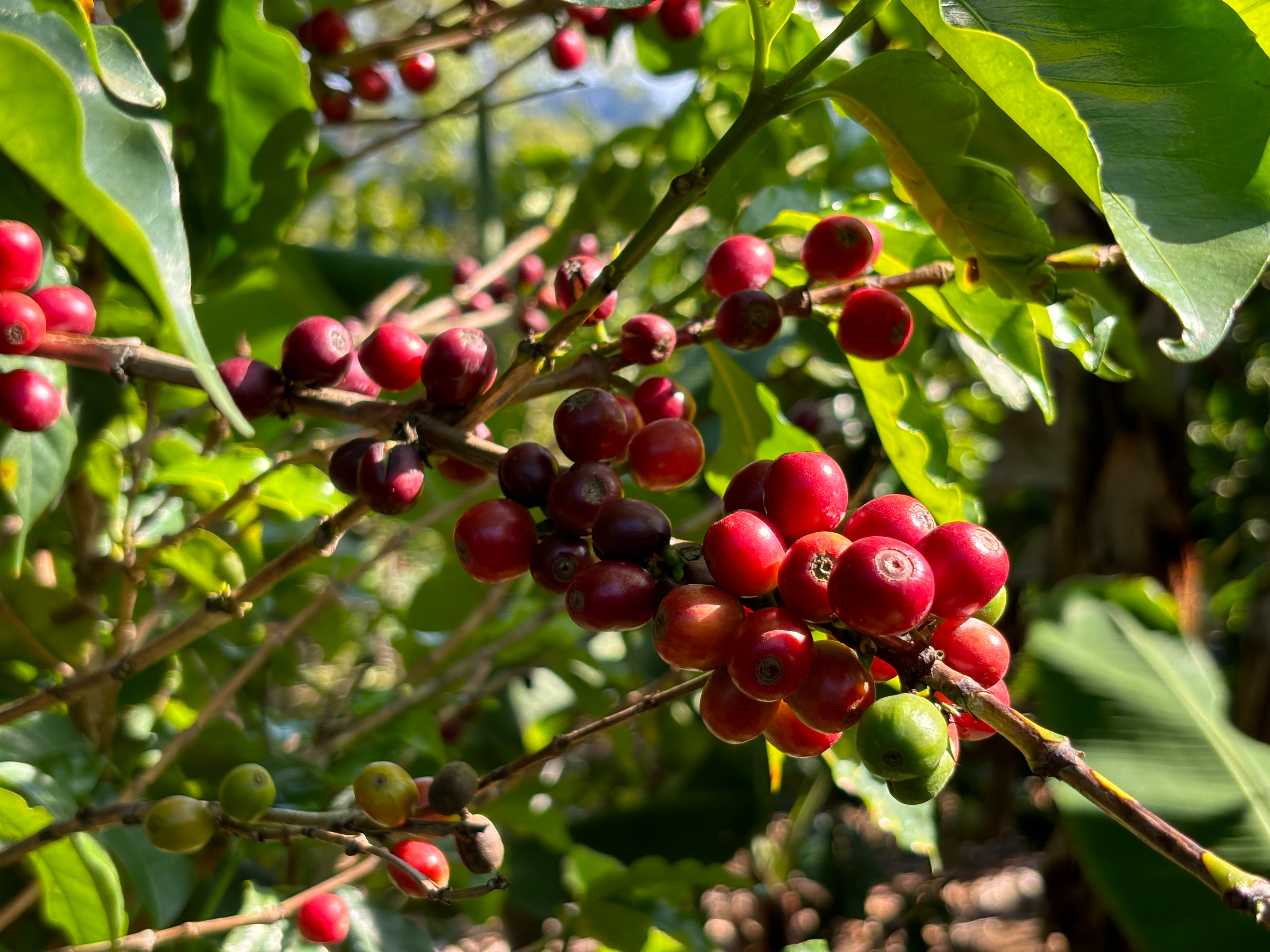
At Natural de Costa Rica, we believe that true coffee excellence begins at origin and is preserved through control, transparency, and respect for nature.
We are not intermediaries, we work side by side with producers, overseeing every stage of the journey; from the coffee bean selection in micro-lots of less than 300 kilograms, traditional sun drying and artisanal processing, to export, direct B2B partnerships and consumer distribution under our own brand.
We produce and offer high-altitude specialty coffee from Costa Rica, grown at approximately 1,500 m above sea level on volcanic highlands that naturally enrich bean quality and consistency.
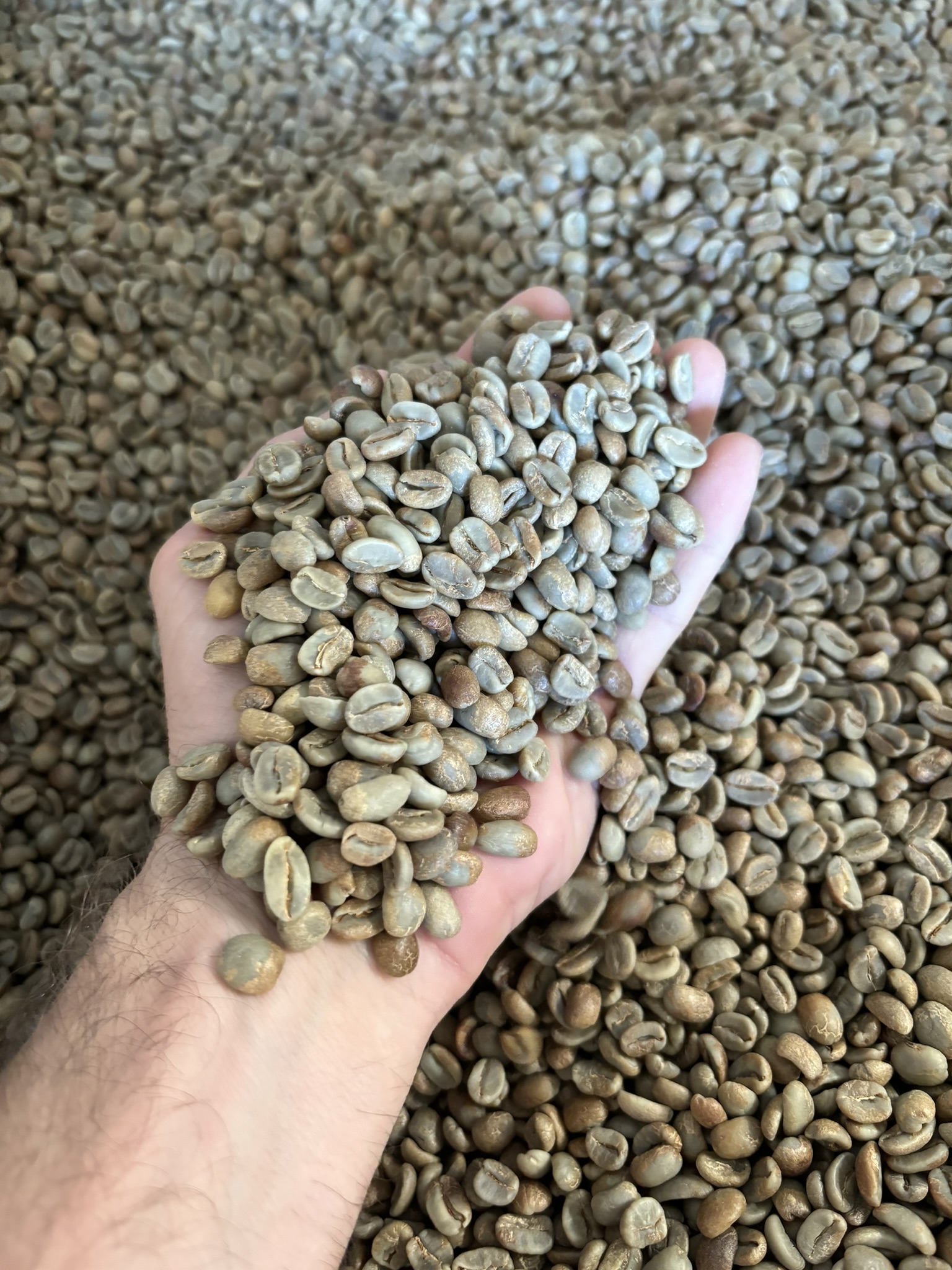
Every batch is traceable, ethically sourced, and handled under our supervision, ensuring that what reaches roasters and consumers reflects the same integrity it had at the farm. There are no broken or chipped beans, except for the uncontrollable statistic of between 1% and 2% (however, a smaller or broken bean does not deteriorate the quality of the bean or the whole).
Hand-picked micro-lots from the Poás Volcano slopes
Washed or Honey methods at Café de Altura facility
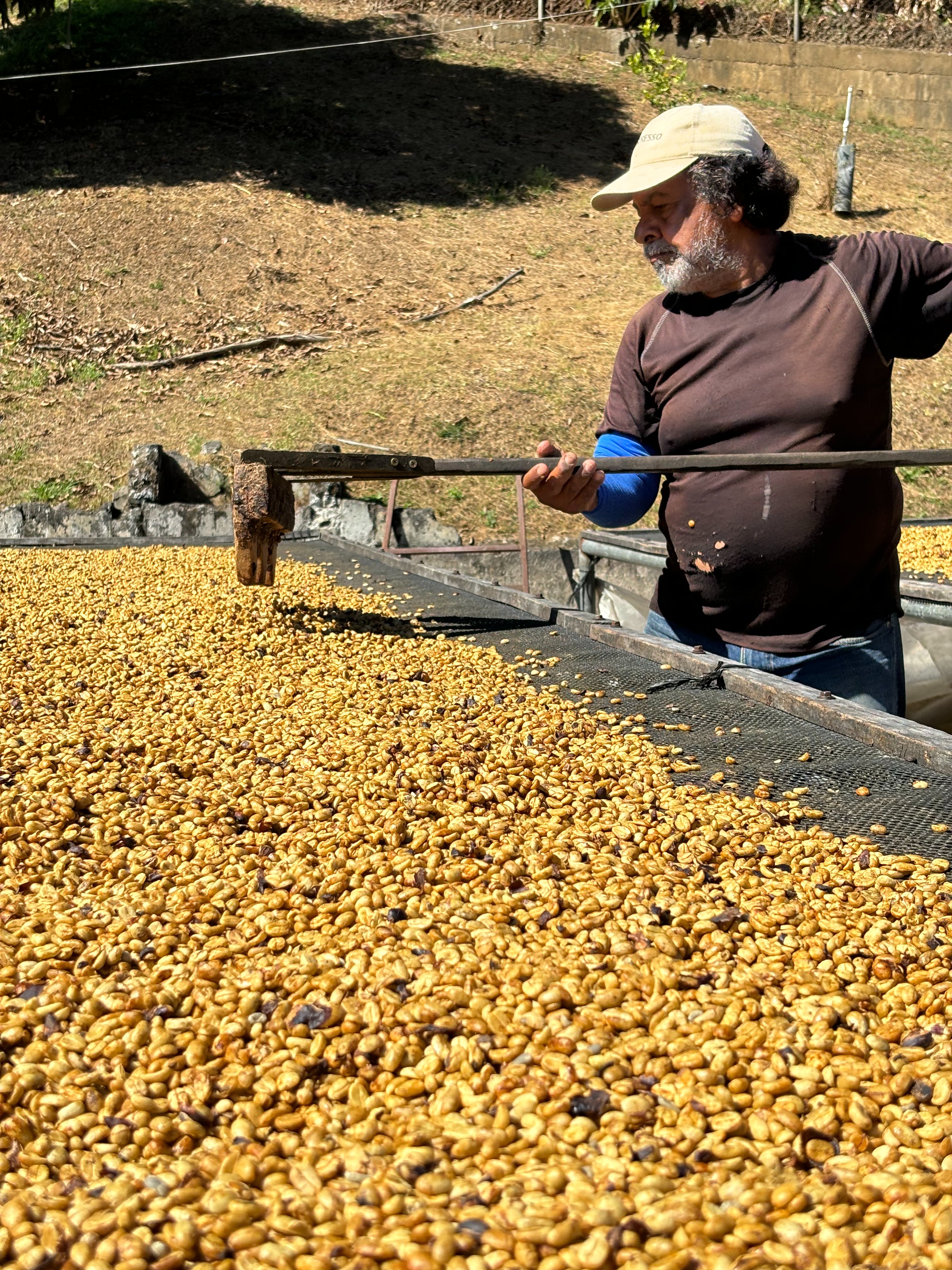
Traditional raised-bed drying under Costa Rican sun
PROCOMER certified, air freight to Europe in 36 hours
Stored in raw form, ready for roasting partners
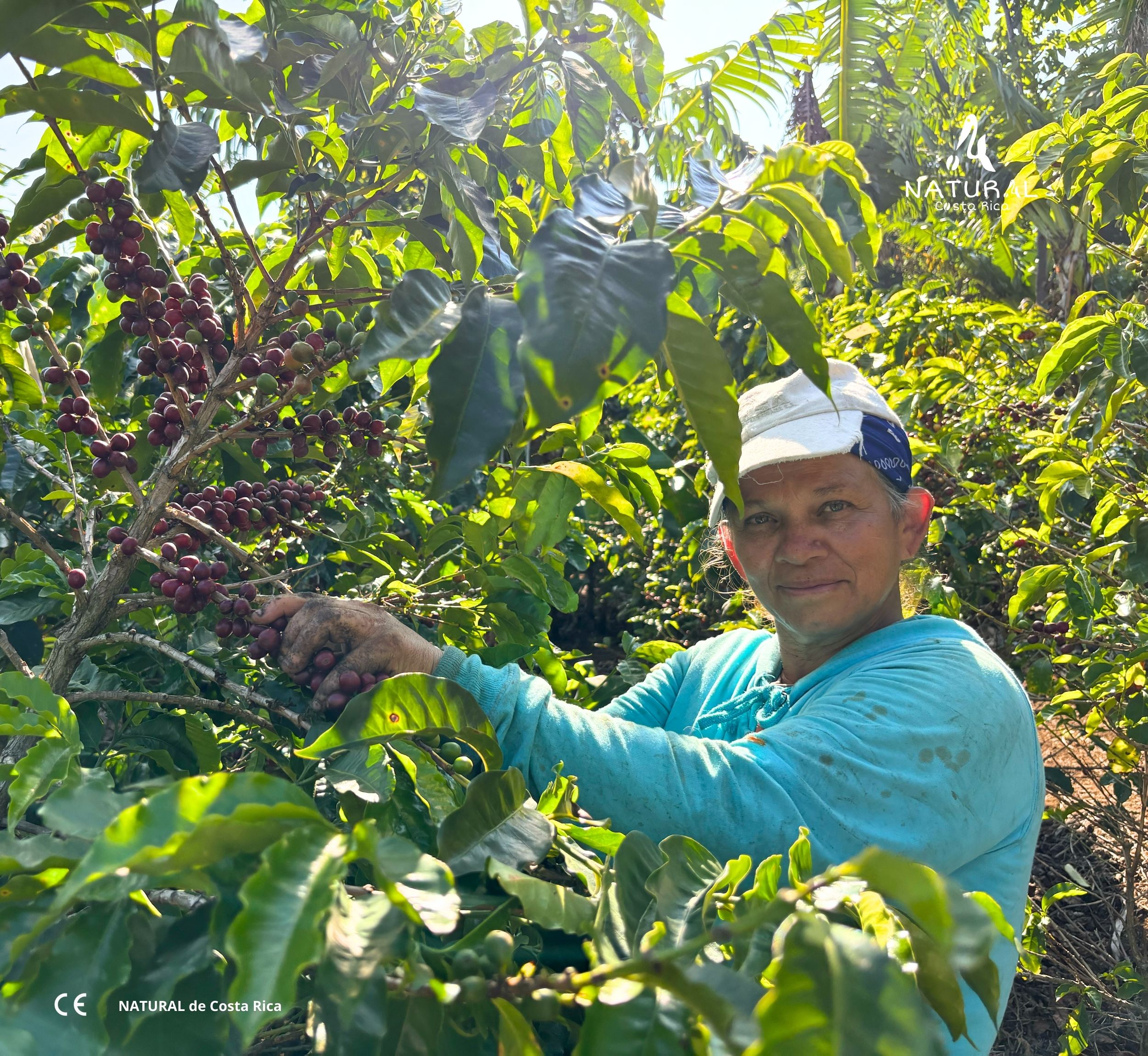
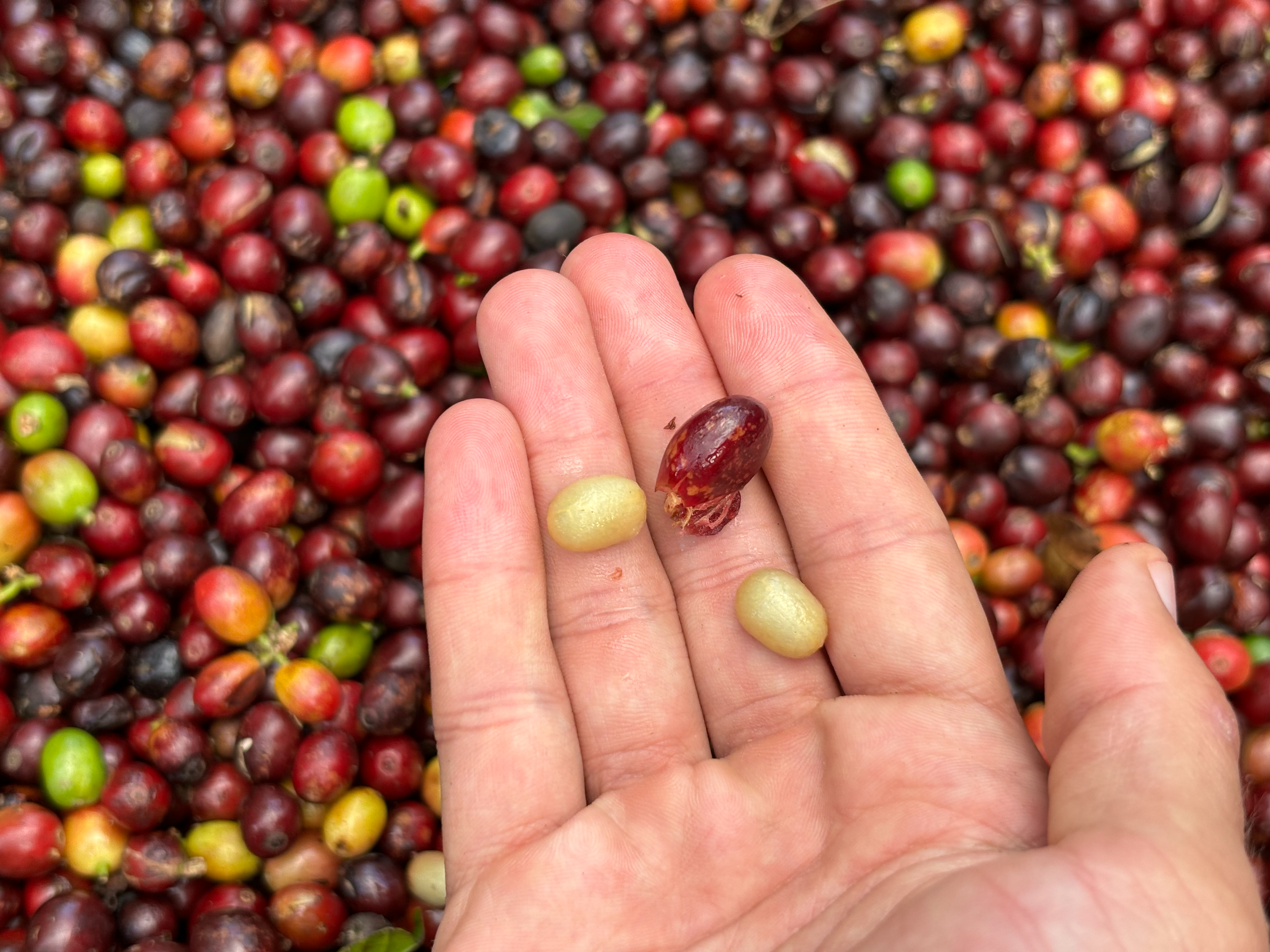
Our team visits every micro-lot in person during peak harvest season, handpicking only the ripest cherries from each plot. Every lot is recorded individually with its altitude, GPS coordinates, variety, and producer name. This precision ensures full traceability from the tree to the final batch, with no blending between farms or varieties at any stage of the chain.
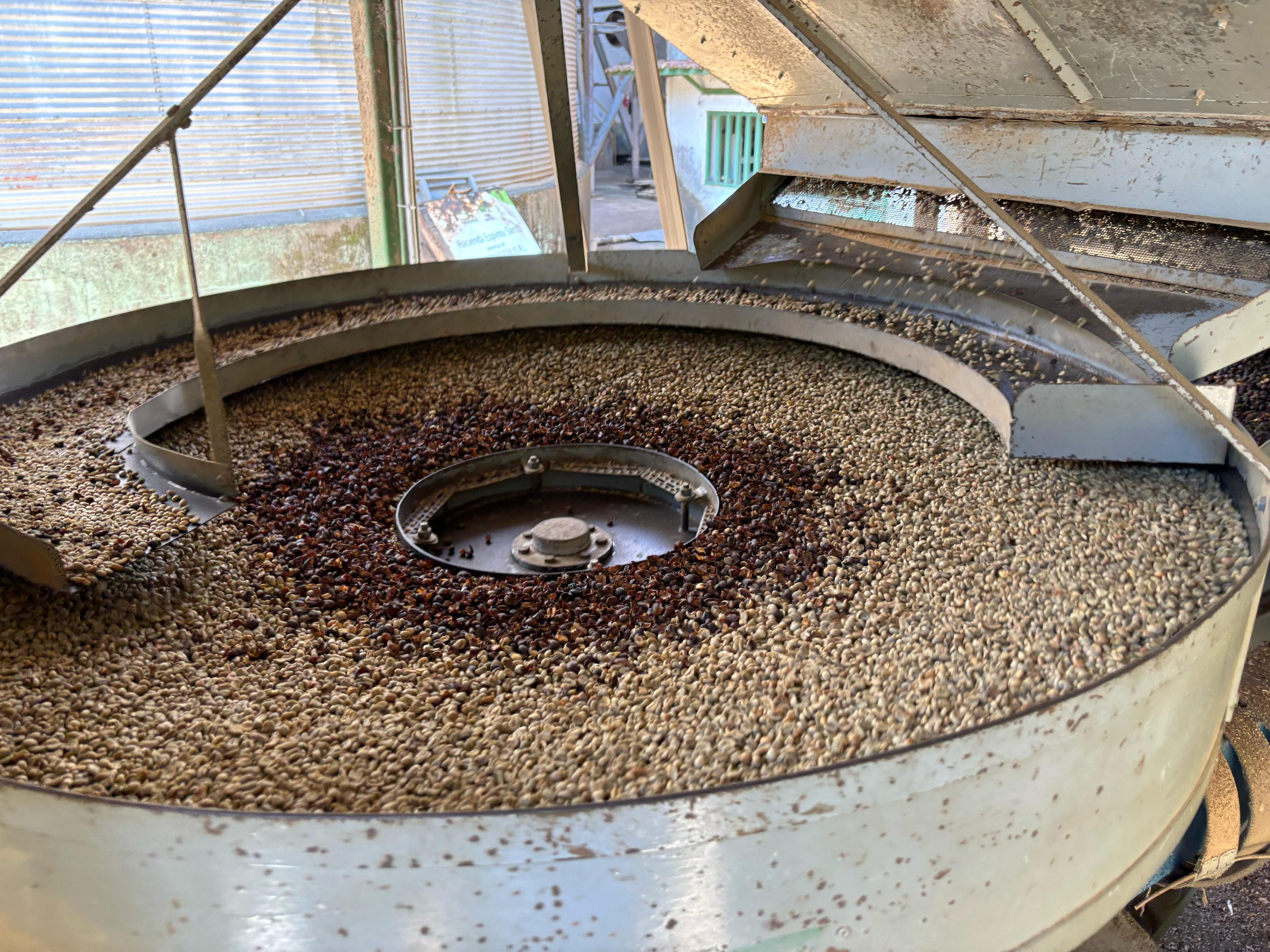
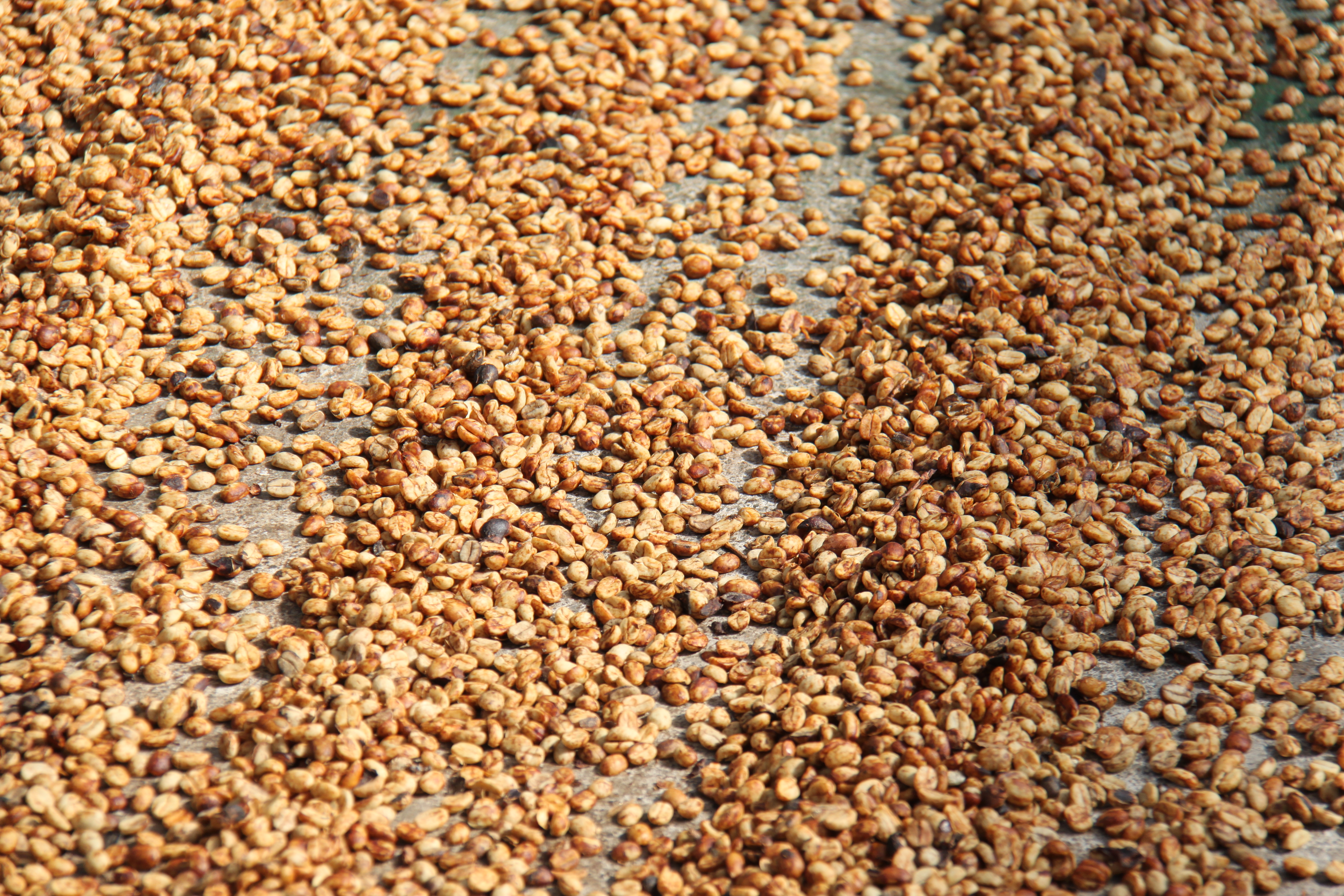
Traditional sun drying on raised African beds preserves the bean's natural character while reducing energy consumption and environmental impact. Each lot is dried separately and turned regularly to ensure even moisture reduction, typically reaching the target 10–12% humidity within 12 to 15 days. This method protects flavour integrity and eliminates the need for mechanical dryers.
.png)
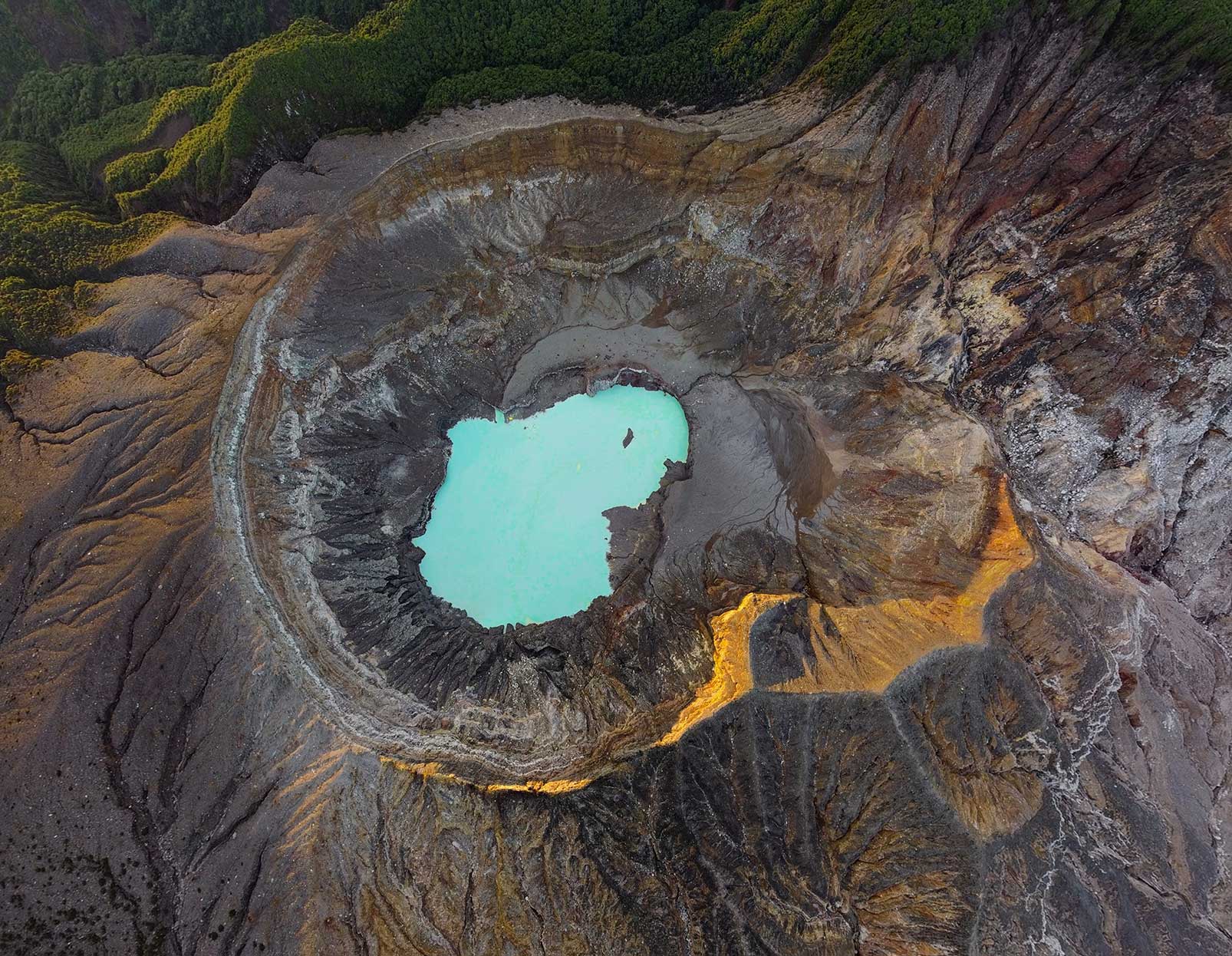
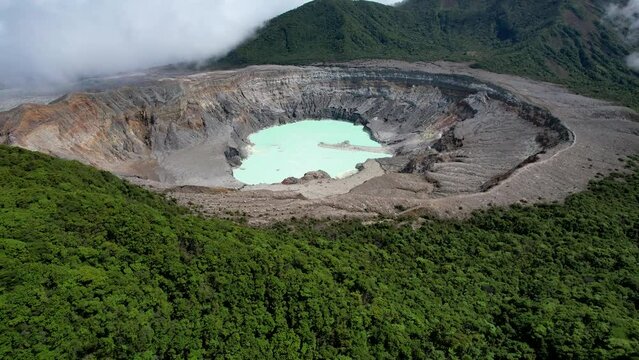
Our coffees are born on the slopes of the Poás Volcano, an active volcano in the province of Alajuela, within the cantons of Grecia and Sarchí.
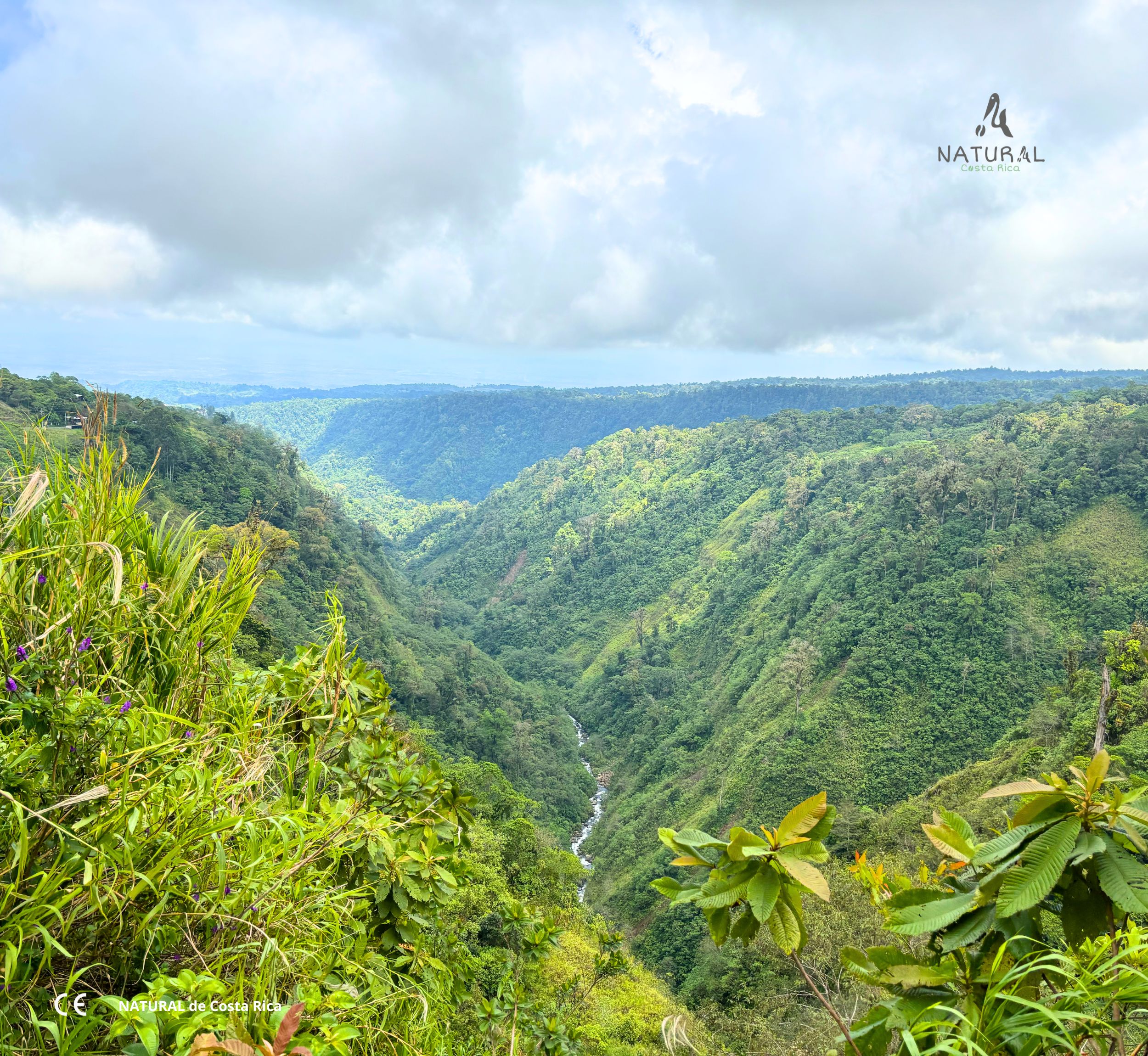
The farms that make up our network are located at altitudes of approximately 1,500 m above sea level, where volcanic soil rich in minerals and organic matter creates the ideal conditions for cultivating high-altitude specialty coffee.
Each harvest begins with our team visiting every micro-lot in person. Together, with local producers, we handpick the ripest cherries and record each lot’s data, including altitude, location, and the coffee variety.
Then, all cherries are transported to the facilities of Café de Altura de San Ramón, also located in Alajuela, where traditional processing methods are carried out with precision and care. This proximity keeps every variety’s identity intact, maintaining the integrity and consistency of our coffee.
The storage time is 1 month in Costa Rica from drying for humidity control, and then shipment to Europe.
Each variety from our network is processed using the method that best expresses its potential.
Both methods are fully traceable and monitored under strict quality control at Café de Altura de San Ramón.
The washed process removes all mucilage from the coffee bean through controlled fermentation and water washing. By stripping away all organic residue, the bean’s intrinsic qualities are fully exposed, making this the most transparent method for evaluating origin character.
This method delivers high clarity and consistency, allowing the bean’s natural attributes to define its quality. The result is a clean, bright cup where acidity and aromatic precision take centre stage.
Fermentation control and timing define the quality of the washed process. Beans coated in mucilage ferment in water tanks where natural yeasts and bacteria break down sugars into acids, shaping clarity and balance.
This stage typically lasts 12 to 72 hours.
Perfect timing keeps the cup clean and vibrant, too long, the notes turn sour, and the batch is lost.
Full mucilage removal eliminates competing flavours, allowing the bean’s origin character to define the cup. The result is a transparent profile where floral, citrus, and terroir-driven notes are clearly expressed.
Controlled fermentation and precise washing produce uniform results across batches. Each lot meets the same standard of cleanliness and balance, ensuring reliability for roasters and consumers.
The honey process retains part of the mucilage during drying, allowing sugars and organic matter to interact with the bean. This controlled contact between mucilage and parchment creates a natural caramelization that deepens the cup’s sweetness and body.
Our Caturra undergoes a Red Honey Process with 60% of mucilage left, balancing sweetness, body and aromatic depth. The red classification indicates a longer drying period with less frequent turning, maximizing sugar absorption.
Every turn of the parchment changes its character; too fast, and balance is lost; too slow, and defects appear.
The retained mucilage acts as a natural sweetener during drying, infusing the bean with honeyed sugars and increasing its density. This produces a fuller, rounder mouthfeel with caramel and red fruit undertones.
Enzymatic reactions between mucilage sugars and the parchment create layered aromatic compounds not found in fully washed coffees. The balance between sweetness, acidity, and body gives this process its distinctive depth and versatility.
Costa Rica 100% Arabica, traceable with dual phytosanitary control.
Certifies our exports as authentic in origin and compliant with Costa Rica’s international trade standards.
Fair trade, equality, and responsible production.
We act on the Sustainable Development Goals daily, creating decent work, driving responsible consumption, and fostering equality throughout our value chain.

But our traceable micro-lot model goes beyond certification labels. Our approach combines traceable micro-lots with sustainable post-harvest methods, supported by measurable environmental results.
After processing at Café de Altura de San Ramón (Alajuela), each micro-lot is immediately prepared for export to Europe under controlled conditions that preserve freshness, integrity, and traceability.
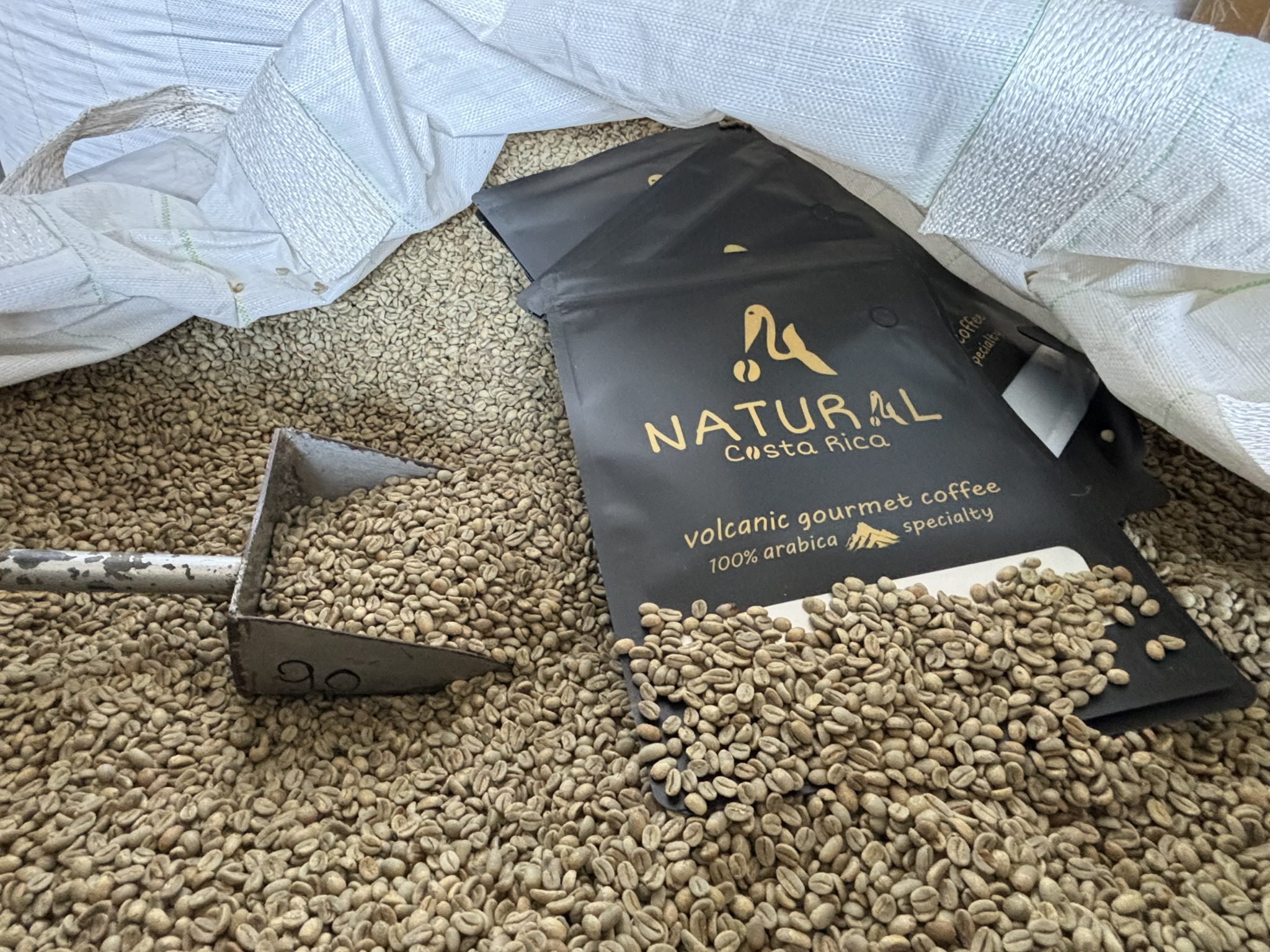
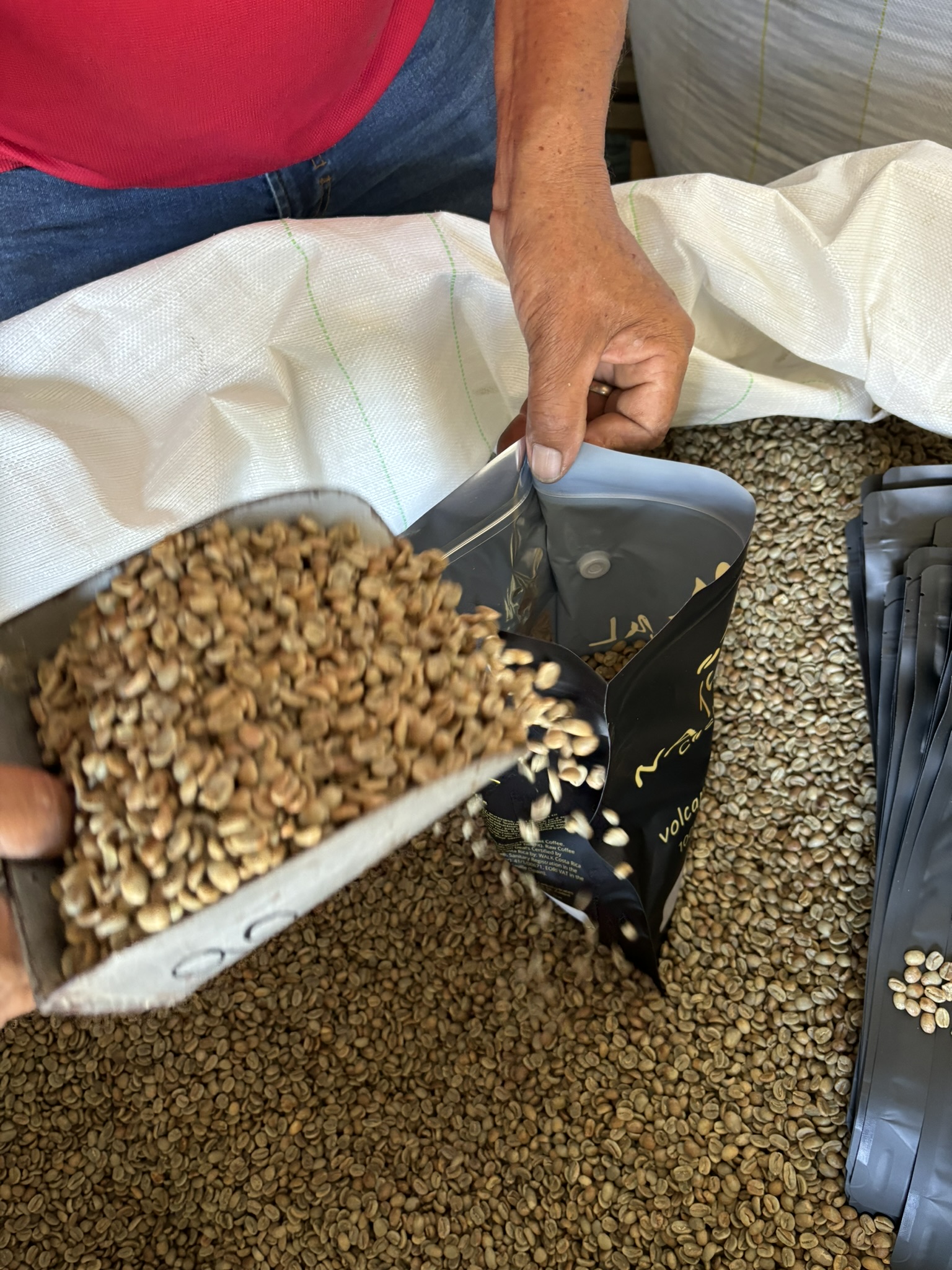
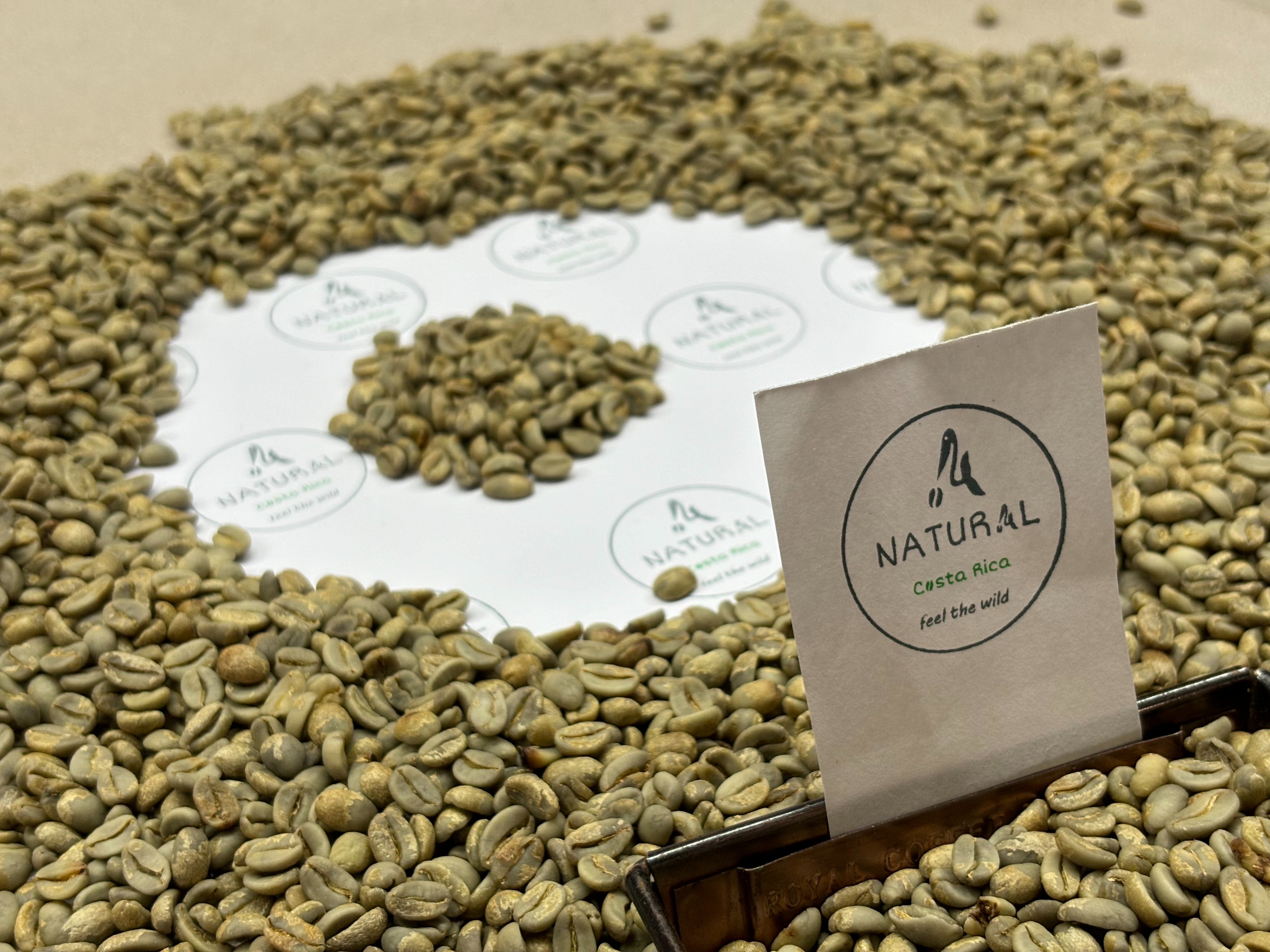
Processing and quality control at origin facility
Vacuum-sealed bags, single-variety lots individually coded
Humidity, density, and phytosanitary verification before export
Climate-controlled transport, San José to Europe
Storage and distribution to roasting partners
Each batch rests in its sealed bag for 5–7 days before export to stabilize humidity and flavor.
The storage time is 1 month in Costa Rica from drying, for humidity control, and then shipment to Europe. Dry, ventilated, away from sunlight, at 15–20 °C and 50–60 % RH until shipment.
Humidity and density are measured before packaging to ensure optimal green coffee stability.
Coffee Traceability Report 2026